Why Brent Council permits matter for Willesden moves
If you are planning a move in Willesden, one of the first things to sort out is not the boxes, the tape, or even the sofa that always seems to get heavier on moving day. It is the permit situation. Why Brent Council permits matter for Willesden moves comes down to something very practical: access, legality, timing, and whether your moving van can actually stop where it needs to without causing a headache for everyone else on the street.
In a part of North West London where road space can be tight, parking can be limited, and bays can fill quickly, permit rules are not just admin. They shape the whole move. A missed permit can mean delays, parking tickets, extra carrying distance, or a van circling the block while your movers wait in the drizzle. Not ideal, to be fair.
This guide breaks down what permits are, why they matter, how the process usually works, and what Willesden residents should think about before moving day. It also covers common mistakes, practical planning tips, and the situations where it makes sense to use a service that already understands local moving conditions. For wider moving prep, you may also find our guide to pre-move decluttering useful before the van arrives.
Table of Contents
- Why Brent Council permits matter
- How permits work in practice
- Key benefits and practical advantages
- Who needs a permit and when it makes sense
- Step-by-step guidance
- Expert tips for better results
- Common mistakes to avoid
- Tools, resources and recommendations
- Law, compliance and best practice
- Options and comparison table
- Case study or real-world example
- Practical checklist
- Conclusion
- Frequently asked questions
Why Brent Council permits matter for Willesden moves
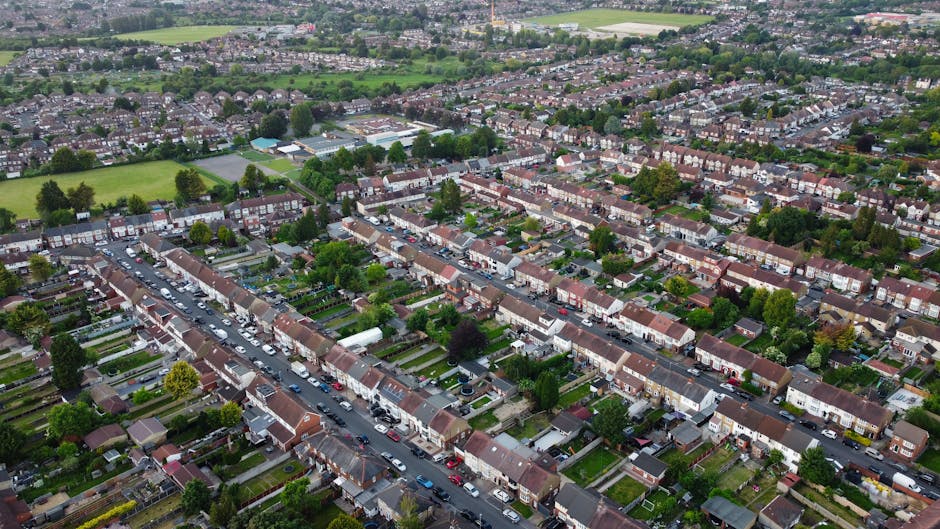
In simple terms, a permit matters because moving is not just about transporting belongings; it is about legally and safely using public road space at a busy time. Willesden streets vary a lot. Some have generous bays and easy access, while others have narrow lanes, controlled parking zones, school-run pressure, or time-limited restrictions that suddenly make a straightforward move feel oddly complicated.
Brent Council permits matter when your moving vehicle needs to stop, load, unload, or wait in a bay that is restricted. Without the right permission, the van may be forced further away from your front door, which means more carrying, more time, and more stress. If you have a large wardrobe, a mattress, or a stack of boxes, those extra few metres can be the difference between a tidy move and a tiring one.
There is also the fairness side of it. Permits help keep roads accessible for neighbours, emergency vehicles, delivery traffic, and local traffic flow. A moving van parked badly can block visibility, clog a narrow street, or make life awkward for residents trying to get out. In a dense area like Willesden, that matters more than people sometimes expect.
Expert takeaway: if your move depends on roadside loading or unloading, permit planning is not an optional extra. It is part of the move itself.
One more thing people often miss: even if the move is small, the parking pressure can still be large. A one-bedroom flat move can be harder than a bigger house move if access is awkward. That is especially true in apartment blocks, on streets near busier routes, or in places where only one vehicle can pass cleanly at a time.
How Brent Council permits matter for Willesden moves works
The basic idea is straightforward. If your moving van needs to use a bay, a restricted area, or a place where stopping is not normally allowed, a permit or dispensation may be required. The exact permission depends on the street, the type of bay, the time of day, and whether the vehicle is loading or simply parked.
In practice, the process usually goes like this:
- Check the moving address and nearby street restrictions.
- Identify whether the van will need roadside loading space.
- Confirm the size of the vehicle and whether it fits the access point.
- Apply for the appropriate permit or parking permission if one is needed.
- Plan arrival time so the loading window lines up with the access you have secured.
That sounds neat on paper. Real life is messier. A resident might already be parked in the only workable bay. A delivery lorry may be blocking the road at 8:45 a.m. A narrow terrace street may leave no room for a wide van to sit safely without a bit of juggling. This is why local moving knowledge matters just as much as paperwork.
Sometimes a move can be managed with a small vehicle and smart timing. In other cases, you need a more formal parking arrangement because the loading point is simply too constrained. If you are still choosing the size and style of vehicle, it may help to look at the practical differences between a man with a van in Willesden and a larger removal setup.
What permits do not do
A permit does not magically reserve the whole street for you. It usually only gives you permission to use a specific space under set conditions. You still need to park considerately, keep access clear where required, and follow any time limits or loading instructions attached to that permission.
And no, a permit does not replace common sense. If there is nowhere safe to stop because of a bend, a junction, or a school entrance, you should not force it. Sometimes the smartest move is simply to shift the van position a little, or plan for a shorter carry with better timing. That tiny adjustment can save a lot of grief.
Key benefits and practical advantages
When you handle permit planning properly, the benefits are immediate and very real. You save time, reduce friction, and lower the chance of last-minute scrambling. For moving day, that is worth a lot.
- Better access: the van can load and unload closer to the property.
- Fewer delays: less time spent hunting for a legal stopping point.
- Reduced carrying distance: especially helpful for heavy or awkward items.
- Lower risk of penalties: fewer avoidable parking issues.
- Smoother crew coordination: movers can work more efficiently when access is planned.
- Less stress for neighbours: fewer blocked driveways, corners, or entrances.
There is also a hidden benefit people only realise once they have moved a few times: a well-planned permit setup tends to make the whole day feel calmer. Calm is underrated. A calmer move is usually a faster move, and a faster move is usually a less expensive one because labour is being used more efficiently.
If you are moving a flat or dealing with stair access, this matters even more. A permit may save multiple back-and-forth trips down a hallway or across the road. Pair that with proper packing and you are halfway to a decent day already. Our hassle-free packing guide can help you reduce the number of small runs that eat up time.
Who this is for and when it makes sense
Not every move in Willesden needs a permit arrangement, but many do. The key question is whether your move depends on roadside access in an area with parking controls or limited stopping space.
This matters most for:
- tenants moving out of or into flats with no private drive
- households on terraced streets with limited kerb space
- office moves that involve loading boxes, IT equipment, or furniture
- students moving in or out of shared accommodation
- same-day or emergency removals where timing is tight
- larger furniture deliveries or removals that need a van close to the entrance
It also makes sense if you are moving during a busy period. Think weekday mornings, school drop-off times, or weekends when local streets are already under pressure. The road might look quiet when you first glance out of the window, but by the time the van turns up it can look very different. That is just London, really.
If your property has awkward access, permit planning is even more important. A move near a tight staircase, a corner property, or a busier road usually benefits from a more considered approach. Our local note on navigating narrow staircases in Willesden Green touches on the kind of access issues that often overlap with parking restrictions.
Step-by-step guidance
Here is a practical way to approach the whole thing without turning it into a weekend project nobody asked for.
- Map the property access. Stand outside and look at where a van can realistically stop. Check corners, kerbs, bay markings, and any signs that affect parking or waiting.
- Measure the route. Not just the van space. Think about the path from the kerb to your front door, the lift, stairs, and internal corners.
- List your bulky items. Sofas, beds, wardrobes, fridges, desks, and anything else awkward. These items often decide how close the vehicle needs to be.
- Choose the right vehicle. A smaller vehicle may fit awkward spaces better, but a larger van might reduce the number of trips. It depends on the property.
- Confirm whether permission is needed. If loading will happen in a restricted bay or controlled street, arrange the correct permit or dispensation in advance.
- Plan the arrival window. Give yourself buffer time. Traffic in London has a habit of being exactly as annoying as you expected, sometimes more.
- Prepare for the first fifteen minutes. Keep key items ready, doors clear, and boxes grouped by room so the team can start immediately.
A quick example: if you are moving from a first-floor flat in a side street off a busier road, you may be able to load from a legal bay nearby even if it is not directly outside the front door. That extra bit of planning can be the difference between a smooth handover and a frantic last-minute shuffle of cars.
Expert tips for better results
In our experience, the best moving days are the ones where people make a few small decisions early. Nothing dramatic. Just sensible planning that avoids the usual traps.
Keep the van route simple
Try not to overcomplicate the approach. The fewer turns, blocked sections, and awkward reversals you have, the better. If the access point is tricky, tell the movers before the day. Nobody enjoys improvising with a loaded van and a line of impatient drivers behind them.
Match your packing to the parking reality
If the permit or loading arrangement means the van can only stop for a limited time, pack with speed in mind. Put essentials near the exit, label boxes clearly, and keep a room-by-room order. A smoother load means less pressure on the parking window. That is where a pre-move clean can also help, because clear floors and open hallways make faster loading easier.
Think about awkward items early
Mattresses, sofas, and pianos can all change the access plan. A piano move, for example, may call for better parking, more space, and a more careful route from the van to the property. If that is part of your move, have a look at why expert piano moving matters before you commit to a plan.
Leave a little breathing room
Permits and parking permissions can still be affected by real-world issues. A neighbour might already be in the bay. A bin lorry may arrive. A temporary road closure can appear out of nowhere. Build in some slack. Not loads. Just enough.
Common mistakes to avoid
Most moving problems are not dramatic disasters. They are small misses that stack up. The permit side is no different.
- Assuming the street is fine because it looked empty yesterday. Conditions change quickly.
- Leaving permit checks until moving day. By then, you have no room to recover if something is missing.
- Forgetting about loading time limits. A short loading window needs a crisp plan.
- Choosing the wrong vehicle size. Too small creates extra trips; too large creates access issues.
- Not telling the mover about access quirks. That includes low kerbs, steep stairs, tight corners, and distant bays.
- Overpacking boxes. Heavy boxes slow down the whole process and increase the risk of injury.
One surprisingly common mistake is not checking where the second vehicle can sit if the first loading position becomes unavailable. That sounds niche, but it happens. Moving days are full of tiny moving parts, and one overlooked detail can ripple through the rest of the schedule. Truth be told, that is usually where the stress starts.
Tools, resources and recommendations
You do not need a mountain of equipment to manage permits and a Willesden move well. You need a few useful things and a clear plan.
- Paper or digital checklist: keeps permit tasks separate from packing tasks.
- Phone photos of street signs and access points: useful if you need to double-check conditions later.
- Room labels and marker pens: help unloading move faster.
- Measuring tape: helpful for doors, stairs, furniture, and van access.
- Protective wrapping and furniture covers: especially for sofas, beds, and appliances.
For furniture-specific planning, it can help to read about furniture removals in Willesden so you can think ahead about access, carrying routes, and item protection. If you are storing items before or after the move, our page on storage options in Willesden may also be useful for planning the handover window.
And if you are still comparing moving support, the general services overview is a sensible place to understand what type of help fits your move. Small note: matching service to access conditions matters more than people think.
Law, compliance and best practice
While this article is not legal advice, it is fair to say that parking and loading rules in London should be taken seriously. Local authorities set restrictions to keep traffic flowing, protect residents, and manage road safety. If you need to stop where parking is controlled, you should not assume a moving vehicle gets an automatic exception.
Best practice is simple:
- check the street restrictions before the move
- plan for legal loading only
- allow extra time for unexpected access issues
- use a vehicle size that fits the street safely
- keep entrances, pavements, and crossings clear
If you are using professional movers, ask how they handle loading in restricted streets and whether they routinely plan for local permit conditions. A good operator should be used to this kind of thing and should be able to talk you through the process in plain English. If the answer is vague, that is a small warning sign.
Also, remember that compliance is not just about avoiding a ticket. It is about keeping the move safe, respectful, and orderly. That matters to the people living on the street as much as it matters to you.
Options and comparison table
Different moves call for different approaches. There is no single perfect method, but there is usually a better-fit option once access and parking are taken into account.
| Option | Best for | Strengths | Trade-offs |
|---|---|---|---|
| Self-managed move | Very small moves with simple access | Flexible, direct control, can be budget-friendly | More effort, more risk if parking or loading goes wrong |
| Man and van | Flats, student moves, smaller households | Useful for tighter streets and quicker turnarounds | May need careful planning if parking is restricted |
| Full removals service | Larger homes, office moves, bulky furniture | Better for heavy items, complex access, and time pressure | Usually more planning needed, sometimes a bigger vehicle |
| Staged move with storage | Renovations, delayed handovers, flexible dates | Eases pressure on moving day and access timing | Requires extra coordination and storage planning |
If your move is one of those awkward in-between cases, a smaller van might actually be the smartest choice. Bigger is not always better. Sometimes the smaller vehicle wins because it can park more easily and keep the whole process moving. Simple, but true.
Case study or real-world example
Here is a realistic Willesden scenario. A tenant moves out of a two-bedroom flat on a residential street with controlled parking and limited space outside the building. The property has a narrow staircase, and there is no private driveway. The first instinct might be to book a large van and hope for the best. That tends to end with a bit of stress and maybe some pacing up and down the pavement.
Instead, the move is planned properly. The mover checks the street conditions, confirms the most practical loading point, books the right vehicle, and packs the furniture in a way that prioritises quick loading. The permit or parking arrangement allows the van to stop legally close enough to the building, and the team keeps the hallway clear. The move still takes effort, obviously. But it happens without the constant, low-level panic that usually creeps in when access is improvised.
That is the real value of permit planning. It does not just prevent trouble. It creates a calmer pace, and a calmer pace helps everything else. You notice it in the small things: fewer shouted instructions, fewer unnecessary trips, fewer items resting in the wrong room for too long. It all adds up.
Practical checklist
Use this before moving day if you want to keep things tidy and avoid last-minute surprises.
- Confirm the moving address and access route
- Check street parking or loading restrictions near the property
- Decide whether a permit or dispensation is likely needed
- Choose a vehicle size that suits both the items and the street
- Tell the movers about stairs, lifts, narrow entrances, or difficult turns
- Pack fragile and heavy items separately
- Keep essential items easy to reach
- Clear hallways and doorways before the van arrives
- Take photos of the street and any relevant signs if needed
- Build in extra time for loading and unloading
Key takeaway: if you get the access plan right, the rest of the move becomes much more manageable. Not effortless, but manageable. And that is what most people actually need.
Conclusion
Brent Council permits matter for Willesden moves because they sit right at the intersection of legality, timing, access, and day-to-day practicality. A good permit plan helps you avoid parking issues, reduces carrying distance, protects your schedule, and makes the whole moving experience less chaotic.
For Willesden residents, that is especially important because local streets can be busy, narrow, and unpredictable. Whether you are moving a studio flat, a family home, or office equipment, permit planning should be part of the moving conversation from the start, not an afterthought squeezed in at the end.
If you want the move to feel organised rather than frantic, pair access planning with sensible packing, realistic timing, and a moving team that understands local conditions. Small details matter here. They really do.
Get a free quote today and see how much you can save.
Frequently Asked Questions
Do I always need a permit for a move in Willesden?
Not always. If your van can park legally in an unrestricted space and load without causing issues, you may not need one. But if you need to use a controlled bay, a restricted street, or a loading space with limits, permit planning is usually worth checking early.
Why are Brent Council permits relevant to moving day?
Because they determine where a moving van can legally stop. In practical terms, that affects how close the van can get to your door, how long loading takes, and whether the move stays on schedule.
Can I just use hazard lights and load quickly?
That is a risky assumption. Hazard lights do not automatically make stopping legal. If the space is restricted, you still need to follow the applicable rules and plan properly.
What happens if the van cannot park near my property?
The team may need to park further away and carry items a longer distance. That can slow things down and increase the physical effort involved. It is manageable, but not ideal, especially with heavy or awkward furniture.
How far in advance should I check parking arrangements?
As early as you can. A few days is better than a few hours, and earlier still is better if your street is busy or your move is on a weekday. Last-minute checks are where avoidable problems tend to start.
Are smaller vans better for Willesden streets?
Sometimes, yes. Smaller vans can be easier to position on tighter streets, but they may require more trips. The best choice depends on the size of the move, the access conditions, and how much time you have.
What if I am moving from a flat with stairs and no lift?
Then access planning matters even more. A permit may help reduce walking distance from the road, which becomes important when you are carrying beds, wardrobes, or boxes upstairs. You may also want to review bed and mattress transport tips before the move.
Can a removal company help with permits?
Many experienced movers can advise on the practical side of parking and access, and some may help plan around local restrictions. It is wise to ask directly because support can vary from one company to another.
Is permit planning different for office moves?
Yes, often it is. Office moves can involve more equipment, tighter schedules, and extra care around building access. That means parking and loading details become even more important than they do for a simple household move.
What is the biggest mistake people make with move permits?
Leaving it too late. People often focus on packing and forget that the van still needs somewhere legal and practical to stop. By the time they notice, the room for fixing the issue may be very small.
Does using storage help with permit pressure?
It can. If you move some items in stages, the moving day becomes shorter and easier to coordinate. That can reduce how much roadside loading you need to do in one go.
How do I make moving day less stressful overall?
Keep the access plan simple, label your boxes clearly, move heavy items with a proper plan, and avoid assuming parking will work itself out. For a broader mindset, our stress-free house moving guide is a helpful read. The calm approach tends to win in the end.