Avoid fines: Brent Council bulky waste rules in Willesden
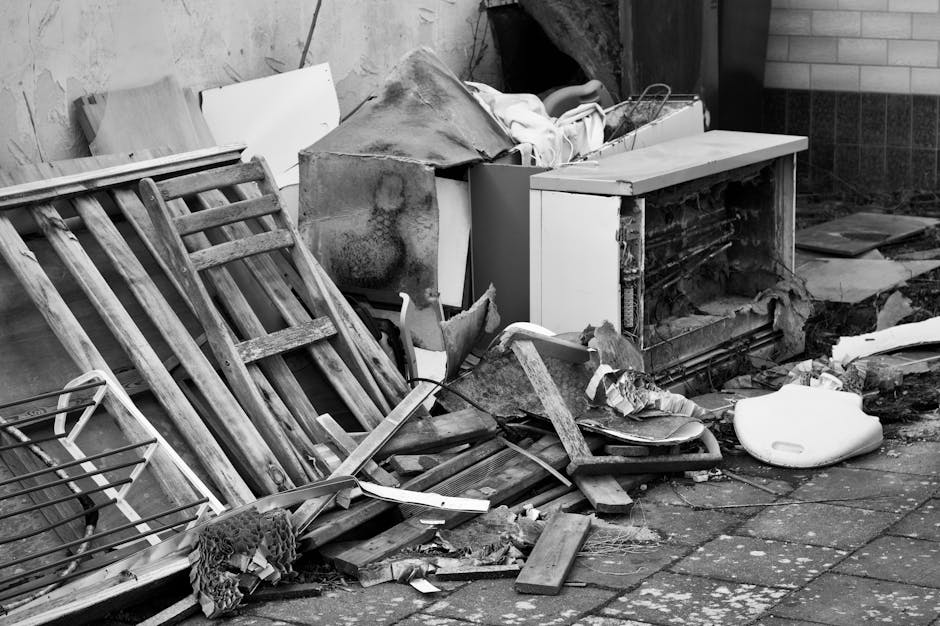
If you've got an old sofa, mattress, broken wardrobe, or a pile of flat-pack bits sitting in the hallway, you've probably asked the same question: what's the right way to get rid of bulky waste in Willesden without risking a fine? The short answer is that Brent Council bulky waste rules matter more than most people realise. Put items out too early, leave them in the wrong place, or use the wrong disposal method, and you can end up with more trouble than you expected.
This guide breaks it all down in plain English. You'll learn what bulky waste means, how collection and disposal usually work in Brent, what residents in Willesden should watch out for, and how to avoid the common mistakes that lead to complaints or enforcement. If you're moving house, clearing a flat, or simply trying to make space again, this will help you do it properly.
Why Brent Council bulky waste rules in Willesden matter
Bulky waste is one of those things people leave until the last minute. A sofa that won't fit through the door, a freezer that stopped working, a damaged bed base after a move - suddenly it's in the way and you need it gone. In a busy part of northwest London like Willesden, that pressure can lead to shortcuts. That's where the trouble starts.
Brent Council's waste rules exist to keep pavements clear, reduce fly-tipping, and make sure waste is handled safely and legally. If bulky items are dumped beside shared bins, left on the street without permission, or handed to the wrong collector, the result can be a penalty notice, a complaint from neighbours, or both. To be fair, it's usually not malicious; it's often just people being rushed. But councils rarely care whether the mistake was accidental.
There's also a practical side. In flats around Willesden, especially where access is tight and front paths are narrow, one badly placed armchair can block access for others. A mattress leaning against railings may look temporary to you, but to everyone else it looks like an abandoned item. That's why understanding the rules before you move anything is worth the effort.
And if you're already coordinating a move, it helps to declutter first. A useful place to start is premove decluttering, because less clutter usually means fewer items to sort, fewer lifting headaches, and fewer disposal decisions at the worst possible moment.
How Brent Council bulky waste rules in Willesden works
At a practical level, bulky waste rules are about three things: what counts as bulky, how it should be presented, and who is responsible for it until it is collected or dropped off legally.
Bulky waste usually means large household items that don't fit into normal bins. Think sofas, tables, mattresses, wardrobes, white goods, chairs, and some dismantled furniture. The exact acceptance rules can vary by collection method, so it's always sensible to check the latest Brent Council guidance before arranging anything. That's the careful answer, and the right one.
In many cases, you have a few options:
- Arrange a council bulky waste collection if available for your item type.
- Take items to a permitted reuse or disposal facility if you have access to transport.
- Use a reputable removal service that can lift, load, and dispose of items appropriately.
- Pass on reusable items through donation or resale, where suitable.
The key point is responsibility. Until waste is collected lawfully, it is still your responsibility. If you dump it "temporarily" outside a property and it disappears or gets moved by someone else, that doesn't necessarily remove the risk. In shared buildings, this is especially messy. One resident thinks the building manager will deal with it; the building manager assumes the resident has booked a collection. Meanwhile the item sits there getting damp. Everyone loses.
When bulky items are part of a move, planning matters even more. If you're moving a sofa or bed and not sure how to handle the old one, you may find the practical guidance in simple steps to transport your bed and mattress useful, especially if you are comparing "take it with me" versus "dispose of it properly" decisions.
Key benefits and practical advantages
Following the rules is not just about avoiding fines, although that's a big one. It also makes life simpler in ways people notice immediately.
- Less risk of penalties: You reduce the chance of enforcement action or complaints.
- Cleaner communal spaces: Shared hallways, entrances, and pavements stay usable.
- Safer lifting and loading: Planned disposal reduces awkward, rushed carrying.
- Better timing during a move: You don't end up with one extra van-load at the worst moment.
- More reuse and less waste: Some items can be donated or repurposed rather than thrown away.
There's a quieter benefit too: peace of mind. Once bulky items are sorted, the whole property feels lighter. You can hear the echo in an empty room, see the floor again, and actually move around without stepping over old furniture. That sounds minor until you're in the middle of a moving week and every square foot suddenly matters.
If you want a broader sense of planning around removals and waste reduction, our article on stress-free house moving ties neatly into this stage of the process, because the smoothest moves usually start with ruthless sorting.
Who this is for and when it makes sense
Honestly, this topic is relevant to far more people than the phrase "bulky waste" might suggest. It is not just for landlords or people doing a full clear-out.
- Tenants in flats: Especially where the building has no lift, limited storage, or shared access areas.
- Homeowners: When replacing furniture, appliances, or old garden items.
- Students: Moving out at the end of term and deciding what to keep, sell, or remove.
- Landlords and agents: Clearing left-behind furniture after a tenancy ends.
- Families moving locally: Downsizing, upgrading, or simply replacing worn pieces.
- Small businesses: Office chairs, desks, and old fixtures sometimes need careful removal too.
It also makes sense whenever timing is tight. If you're leaving a property on Friday but the council collection is not available until later, you need another plan. That's when good logistics matter, and why services such as man and van in Willesden can be a practical bridge between "too much stuff" and "sorted properly".
Sometimes the job is bigger than one person expects. A fridge, wardrobe, and corner sofa in a third-floor flat with a narrow stairwell can become a real headache. In situations like that, it's worth looking at furniture removals in Willesden rather than trying to improvise with a borrowed trolley and a hopeful attitude. Let's face it, hope is not a lifting technique.
Step-by-step guidance
Here's a simple process you can follow to stay on the safe side and avoid unnecessary hassle.
- Identify each item. Separate furniture, electrical items, soft furnishings, and anything reusable.
- Check condition. If it's still usable, decide whether it can be sold, donated, or stored for later.
- Find the right route. Council collection, authorised disposal, or professional removal are usually the main choices.
- Measure access. Check stairwells, door widths, parking restrictions, and lift availability before moving heavy items.
- Schedule the timing. Aim to remove items close to your collection or move date, not days too early.
- Prepare the item safely. Remove drawers, tape loose doors, empty contents, and avoid leaking fluids.
- Keep the path clear. Do not block communal areas, fire exits, or pavements.
- Get confirmation. If someone else is collecting the items, make sure you know exactly what is included.
Small detail, big difference: if an item contains food residue, liquids, or loose screws, sort that out first. A fridge or freezer, for example, should be emptied and handled carefully. For more practical guidance on that kind of prep, see maintaining your fridge freezer and how to keep your freezer safe while not in use. Those details matter when you are moving, storing, or disposing of white goods.
Expert tips for better results
Here are the things that make the job go smoothly in real life, not just on paper.
- Use a sorting zone. Put items in one clear area inside the property before moving them out. It stops the "where did that chair come from?" chaos.
- Keep proof of arrangement. If a collection is booked, save the confirmation and time slot.
- Break down furniture where safe. Flat-pack pieces and modular units are easier to move and less likely to damage walls.
- Wrap fragile surfaces. Veneer, glass, and polished wood mark easily in narrow hallways.
- Think about neighbours. If you share a stairwell or entrance, avoid peak times when people are coming and going.
- Use proper lifting technique. Bent knees, straight back, and a steady grip. Nothing glamorous about it, but it helps.
If you're dealing with truly heavy pieces, the preparation is half the battle. Our piece on heavy objects made easy is worth a look, though the honest advice is simple: if you feel the item is beyond a safe solo lift, don't be stubborn. Your back will not thank you.
For delicate or awkward items, especially specialist pieces such as pianos, the safest route is often to hand the work to experienced movers. That is exactly why piano moving pitfalls is such a sensible read before you even think about shifting a heavy, valuable instrument downstairs.
Common mistakes to avoid
Most fines and complaints come from a handful of predictable mistakes. Avoid these and you are already ahead of the game.
- Leaving items on the street without permission. "I'll move it later" is not a plan.
- Assuming shared building waste areas are fair game. Communal bins are usually not for bulky items.
- Booking the wrong service for the item. Not every collector accepts every type of waste.
- Mixing waste with reusable items. Good furniture can be ruined if it is left in rain or dragged over dirty ground.
- Blocking access routes. Hallways, exits, and footpaths should stay clear.
- Forgetting electrical or hazardous content. Some items need special handling.
- Leaving it too late. A last-minute clear-out usually means more stress, not less.
One common scenario in Willesden: someone moves out of a flat, leaves a mattress by the bin store, and assumes building management will sort it. Then the mattress sits there for days, neighbours complain, and everyone starts pointing fingers. It's dull, but it happens a lot.
If you're preparing for a broader move, hassle-free packing experience when moving offers a good reminder that packed, labelled, and sorted belongings are much easier to handle than half-forgotten piles of "maybe keep" items.
Tools, resources and recommendations
You do not need specialist equipment for every job, but a few simple tools can make the difference between a clean exit and a painful afternoon.
- Measuring tape: Useful for checking doorways, stair turns, and lift space.
- Work gloves: Helpful for grip and protection when handling rough edges.
- Furniture blankets: Good for protecting corners and reducing scuffs.
- Ratchet straps or rope: Handy when securing bulky items for transport.
- Marker pen and labels: Great for distinguishing what is moving, what is being binned, and what is staying.
- Vacuum or cleaning cloths: Particularly useful if you are handing over a property after clearing bulky waste.
For people in smaller homes or shared blocks, storage can be a smart temporary solution while you decide what to do with larger items. If that sounds familiar, storage in Willesden may be worth considering before you rush into disposal.
And if the wider move itself is the real issue, not just the bulky waste, our general guide to removals in Willesden can help you think through the bigger picture. Sometimes the easiest fix is simply getting the whole lot handled in one organised go.
Law, compliance and best practice
This topic sits in a compliance space, so a cautious approach is best. Waste rules are governed by local authority requirements, national waste law, and general obligations around safe disposal. You do not need to memorise legislation to stay safe, but you do need to understand the principle: waste must be disposed of responsibly and legally.
In practice, good compliance means:
- Only using approved collection or disposal routes.
- Not leaving waste in public places without permission.
- Keeping communal areas free from obstruction.
- Separating reusable items from true waste where possible.
- Handling electrical items carefully and following relevant guidance for appliances.
Best practice is simply the sensible version of compliance. If you are unsure, ask before you act. That sounds obvious, but a lot of people skip that step because they are in a rush. The problem is that rush is exactly when mistakes get expensive.
For customers arranging a move, it also helps to understand how a responsible operator works. Our pages on health and safety policy and insurance and safety show the kind of precautions that matter when lifting, loading, and transporting large items. Not every disposal issue is a legal issue, but every disposal issue is a handling issue.
Options, methods, or comparison table
Choosing the right route depends on your item, your timing, and how much lifting you want to do yourself. Here's a simple comparison.
| Option | Best for | Pros | Watch-outs |
|---|---|---|---|
| Council bulky waste collection | Single or limited household items | Convenient, local, straightforward when available | Must follow presentation rules and item limits |
| Reuse or donation route | Items in usable condition | Reduces waste and can help others | Not suitable for damaged or unsafe items |
| Private removal support | Multiple items, awkward access, urgent moves | Less lifting, faster loading, more flexible timing | Choose a service that handles disposal properly |
| DIY transport to a disposal site | People with suitable vehicle access | Full control, useful for ongoing clear-outs | Can be physically demanding and time-consuming |
If you are comparing help options, the right support depends on what you need moved and how awkward the property is. For example, flat removals in Willesden can be a sensible fit for narrow staircases, while house removals in Willesden may be better when bulky items are only one part of a larger move.
Case study or real-world example
A common local scenario goes like this. A family in Willesden is moving from a first-floor flat and replacing an old sofa, a broken chest of drawers, and a mattress. They originally planned to leave the items downstairs "for pickup later", but the building entrance is shared and there is limited space beside the bins. That would have caused problems very quickly.
Instead, they sorted the items two days before moving. The sofa was measured, photographed, and checked for reuse. The mattress was bagged. The chest of drawers was dismantled so the panels could be carried safely. They booked the right collection route and timed it so the items left just before final handover. No mess in the stairwell, no complaints, no last-minute panic. It wasn't glamorous, but it worked.
The real lesson? The fine wasn't avoided by luck. It was avoided by timing, planning, and not trying to sneak bulky waste out the back door at 10:30 p.m. on a wet Thursday. A tiny bit of structure goes a long way.
Practical checklist
Use this checklist before you move a single bulky item.
- Confirm what the item is and whether it is reusable.
- Check Brent Council guidance or your chosen collection route.
- Measure doors, stairs, lifts, and the route out of the property.
- Clear walkways and protect walls, floors, and corners.
- Remove loose parts, shelves, batteries, food, or liquid contents.
- Bag or wrap soft furnishings where needed.
- Keep items inside until the collection or removal time.
- Do not place items on the street, pavement, or communal area without permission.
- Keep confirmation details handy if a collection has been booked.
- Arrange help for heavy or awkward pieces rather than forcing a solo lift.
If you are also clearing the property for a move, it may help to work through a pre-move purge alongside the waste plan. Our guide to premove decluttering is a practical companion piece here.
Conclusion
Brent Council bulky waste rules in Willesden are not complicated once you strip away the jargon. The main idea is simple: don't dump items casually, don't block shared spaces, and don't assume a large item will "sort itself out". Plan the disposal route, keep things tidy, and choose the right help for the job.
That approach saves time, keeps neighbours happier, and reduces the risk of fines or awkward follow-up calls. It also makes the whole moving process calmer. And honestly, calm is underrated. You notice it when the hallway is clear, the van is loaded properly, and you're not wondering whether a mattress is about to cause a complaint.
If you are juggling bulky waste, packing, storage, and a move all at once, do one thing at a time and keep the plan realistic. That's usually enough to turn a messy week into a manageable one.
Get a free quote today and see how much you can save.
Frequently Asked Questions
What counts as bulky waste in Willesden?
Bulky waste usually means large household items that do not fit into regular bins, such as sofas, mattresses, wardrobes, tables, and some appliances. The exact item list can vary, so it is wise to check the latest Brent Council guidance before you book anything.
Can I leave a sofa outside my flat for collection?
Not unless the collection has been arranged and you are following the required instructions. Leaving bulky items in communal areas, on pavements, or outside buildings without permission can lead to complaints or fines.
Do I need to book bulky waste in advance?
Usually, yes. Advance booking is the safest way to make sure the item is collected properly and at the right time. Last-minute placement is where people often get into trouble.
What if my bulky item is still usable?
If the item is in good condition, consider reuse, donation, or resale first. That can reduce waste and may also save you money. Just make sure the item is actually fit to pass on.
Are electrical items treated differently?
They can be. Electrical appliances often need careful handling and may have specific disposal requirements. Always empty them, disconnect them safely, and follow the correct route for disposal or removal.
How can I avoid a fine when clearing out a flat?
Keep bulky items inside until the arranged collection time, avoid blocking shared spaces, and use a lawful disposal method. If you are unsure, ask for clarification before putting anything out.
Is it okay to leave waste beside communal bins?
Usually not. Shared bin areas are not the same thing as approved bulky waste collection points. Leaving items there can be treated as fly-tipping or an obstruction, depending on the situation.
What should I do if I have several large items to remove?
For multiple items, especially in a flat or a property with limited access, a planned removal service is often the easiest option. It saves time and reduces the chance of damage during lifting.
Can a man and van help with bulky waste removal?
Yes, if the service is set up to handle the type of waste you have and dispose of it appropriately. The important thing is to use a provider that understands proper waste handling, not just transport.
What is the safest way to move heavy furniture before disposal?
Use proper lifting technique, dismantle items where safe, and protect floors and walls. If the item is too awkward, do not force it. Getting help is cheaper than injuring yourself or damaging the property.
Should I store bulky items if I'm not ready to dispose of them yet?
Sometimes, yes. Short-term storage can be useful if you are waiting on a sale, donation decision, or move date. It is better than leaving items in a shared area or trying to rush the decision.
What if I'm moving out and still have bulky waste on the day?
Then you need a fast plan. Prioritise the largest items first, separate what is going with you from what is going out, and book help if needed. For urgent support, some people also look at same-day removals in Willesden when time is tight and the property must be cleared quickly.
Is there a best time to arrange bulky waste disposal?
The best time is before the pressure becomes urgent. A couple of days' planning usually beats a last-minute scramble. If you are moving, aim to sort bulky items early enough that they do not get mixed in with your final packing stage.
Where can I learn more about moving-related planning?
Useful starting points include packing, decluttering, and handling awkward items safely. If you are organising a full move, our guides on cleaning before a move and getting a removals quote quickly can help you shape the rest of the process without overcomplicating it.