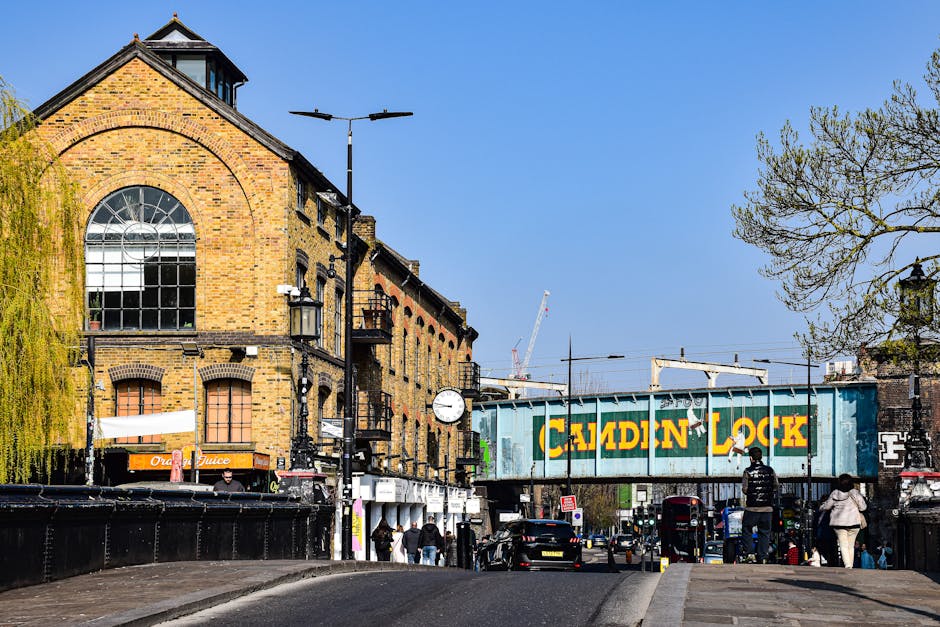
Willesden removals near Willesden Green station insider tips
If you are planning a move around Willesden Green station, the small details matter more than most people expect. A few minutes saved on parking, a smarter loading route, or the right van size can make the day feel calm instead of chaotic. That is really what this guide is about: practical, local Willesden removals near Willesden Green station insider tips you can actually use, whether you are moving a flat, a family home, or a small office.
Let's face it, moving in London is rarely just about lifting boxes. It is about timing, access, neighbours, pavement space, stairwells, and that awkward moment when the sofa looks a bit bigger than it did in the living room. In this article, we will walk through what to expect, how local removals work near the station, what tends to go wrong, and how to avoid the usual headaches without overcomplicating the day.
Why Willesden removals near Willesden Green station insider tips Matters
Moves near a busy station are different from a standard suburban job. Around Willesden Green, the station area can bring tighter kerb space, more foot traffic, delivery vans stopping at the worst possible time, and the usual London mix of narrow roads and time pressure. That combination makes planning less optional and more essential.
Insider tips matter because local moving is mostly about reducing friction. If your movers can stop close to the entrance, carry items safely, and keep a steady rhythm, the whole day improves. If they cannot, the move gets slower, costlier, and honestly a bit more stressful than it needed to be.
There is also a trust angle here. A good local mover should understand the practical reality of the area: where access is tighter, what time traffic tends to build, and how to protect your belongings while keeping the move efficient. That local awareness is often the difference between a smooth move and a day of avoidable delays.
For people comparing providers, it helps to look beyond the headline price and consider the whole service. A business that handles removals, man with van jobs, and more structured moving support can often adapt better to station-area challenges than a one-size-fits-all option.
How Willesden removals near Willesden Green station insider tips Works
At its simplest, the process is this: assess the property, plan the access, choose the right vehicle, prepare items properly, then move in a sequence that keeps walking distances short. Sounds straightforward. In practice, the quality of the planning determines how smooth the day feels.
Near Willesden Green station, a solid removals plan usually starts with a short access check. You want to know where the vehicle can stop, whether the entrance is on a busier road, whether there are stairs or lifts, and how many trips between the property and vehicle might be needed. A move that looks small on paper can become a long carry if the parking is awkward.
Most local jobs fall into one of these patterns:
- Flat move with limited access: often needs a smaller vehicle and careful timing.
- House move: usually more flexible, but heavier and more time-sensitive.
- Student or single-room move: often best handled with a man and van style service.
- Office or workspace relocation: may need extra packing support and a tighter schedule, which is where office removals can be a better fit.
The other piece is sequencing. Good removals teams load the essential items first or last depending on destination access and unloading order. For example, if the new place has a narrow staircase, the heaviest items should not be trapped behind a wall of small boxes. That sounds obvious, but you would be surprised how often people discover it at 3 pm, with a wardrobe stuck halfway through a hallway. Not ideal.
Key Benefits and Practical Advantages
When removals near the station are planned well, you get more than just transport. You get momentum, confidence, and fewer surprises. That is the real value.
1. Less wasted time. Better access planning means fewer long carries and fewer awkward pauses while someone tries to figure out where the van can safely stop.
2. Lower risk of damage. If items are packed properly and the route is thought through in advance, there is less bumping, dragging, or rushed lifting.
3. Better cost control. A move that runs efficiently usually avoids expensive delays. Even when you are paying by the hour, smarter planning can reduce the overall bill.
4. A calmer move day. This one is underrated. When the van arrives, boxes are labelled, and the access point is clear, everyone breathes easier. You can feel it in the room.
5. More suitable vehicle choice. Not every move needs a large truck. Sometimes a smaller removal van or moving van is simply a smarter choice for local streets near the station.
If you are weighing up service types, it can also help to think about whether you need full help or just transport support. For instance, man with a van arrangements are often useful for lighter, more flexible moves, while fuller removal services suit bigger homes or busier moving days.
Who This Is For and When It Makes Sense
This topic is most useful if your move involves any of the following: station-adjacent streets, limited parking, stairs, a time window, or a lot of fragile items. In short, it suits almost anyone moving close to Willesden Green station, but especially the following groups.
- Flat renters: especially if you are moving from a second-floor or third-floor property.
- Families: because children's items, furniture, and boxes tend to multiply quietly over time.
- Small business owners: if you need a tidy, controlled transition with as little disruption as possible.
- Students and young professionals: when the move is relatively light but access is still tricky.
- People moving on a deadline: completion day, tenancy changeover, or a start-date that will not budge.
It also makes sense for people who want a more personalised moving experience. A local operator offering home moves can often adjust around building access, and a provider focused on house removals may be better equipped for larger inventories and more careful planning.
Truth be told, some people only realise they need a better plan once the first box is at the door and the van is still circling the block. Better to think it through early.
Step-by-Step Guidance
Here is a practical way to approach a local move near the station without overthinking it.
- Map the access properly. Check the front entrance, any side access, stair layout, and how far the vehicle is likely to park from the door.
- Sort the load by priority. Keep essentials separate: documents, chargers, toiletries, kettle, keys, and one bag of day-one items.
- Choose the right vehicle and service. A smaller urban move might suit a man and van removals style arrangement, while bigger loads may need a more structured team or even a moving truck.
- Label boxes clearly. Put the room name on at least two sides. If you can, add a rough priority note like "open first" or "fragile".
- Protect awkward items. Mirrors, screens, table legs, lamps, and shelving need extra care. Do not leave it to luck.
- Confirm timing. Local traffic near the station can be lively at certain times of day, so give yourself a little buffer.
- Walk the final route before loading. This sounds small, but it helps identify tight corners, low ceilings, or bottlenecks before they become problems.
There is a useful rhythm to a well-run move. The team arrives, checks the access, loads methodically, and you can almost feel the tension leaving the room. Then the van door shuts. One little victory.
Expert Tips for Better Results
These are the sorts of details that often separate a decent move from a very good one.
Start with the parking problem, not the packing problem. That may sound backwards, but if the vehicle cannot get close enough, everything else becomes harder. Near a station, kerb access is often the hidden variable.
Choose a moving slot with less foot traffic. You do not need exact science here. Just be practical. A quieter window can make loading simpler and reduce awkward moments with pedestrians or passing traffic.
Use one "essentials" box per person. It keeps the first evening sane. Kettle, mugs, toilet roll, phone chargers, snacks, medication, and clean clothes. Nothing fancy, just the stuff that stops the day from becoming annoying.
Ask about safeguarding fragile items before move day. A team that also offers packing and unpacking services may be able to give more helpful guidance on wrapping, stacking, and room-by-room unloading.
Be honest about access. If there is no lift, if the driveway is tight, or if the sofa might need dismantling, say so early. Nobody likes surprises at the doorstep, least of all on moving day.
Keep documents and valuables with you. Deeds, passports, contracts, jewellery, and electronics are best handled personally. That is just sensible.
Ask for a clear quote structure. If the job is local and straightforward, the pricing should reflect that. If the property is more complex, make sure the quotation accounts for the real work involved. A fair quote is easier to trust than a suspiciously cheap one.
And yes, sometimes a tape gun disappears at the worst moment. It happens. Keep a spare.
Common Mistakes to Avoid
Most moving problems are predictable. That is the good news. The bad news is that people still repeat them all the time.
- Underestimating the load size. This is probably the classic mistake. One small flat turns into more boxes than you expected, plus the random things hiding in cupboards.
- Ignoring access constraints. A large vehicle may not be the best choice if the street is tight near the station.
- Poor box labelling. If every box looks the same, the unload becomes slower and more frustrating.
- Leaving packing until the last evening. Late packing usually means rushed packing, and rushed packing usually means broken packing. Not always, but often enough.
- Not checking insurance or safety arrangements. This should be part of your decision-making, not an afterthought.
- Forgetting disposal or recycling. Old furniture, packaging waste, and unwanted items can add complications if not sorted in advance.
If you are clearing out furniture as part of the move, it can be worth discussing options for furniture pick up alongside the main move. That can save a second trip and keep the new place less cluttered from day one.
One more small thing: do not assume the shortest route from van to front door is always the best route. Sometimes the slightly longer path is safer, especially with bulky furniture and a busy pavement.
Tools, Resources and Recommendations
You do not need a toolbox full of specialist kit to move well, but a few basic tools and a sensible prep list make a big difference.
| Item or resource | Why it helps | Best for |
|---|---|---|
| Strong boxes and tape | Keeps packing consistent and safer to stack | Every move, especially fragile items |
| Labels or marker pens | Makes unloading faster and more organised | Room-by-room moves |
| Furniture blankets and straps | Protects surfaces and stabilises larger items | House and office furniture |
| Inventory list | Helps track what has been packed, loaded, and delivered | Busy or higher-value moves |
| Quote comparison | Helps you understand what is included and what is not | Anyone comparing providers |
For most people, the best resource is a provider who is transparent about process, pricing, and what happens if plans change. Pages like pricing and quotes, insurance and safety, and terms and conditions are worth reviewing before you commit. It is boring reading, yes, but boring in the best way.
If you are moving a business rather than a home, commercial moves and office relocation services are the right places to look for more tailored support.
Law, Compliance, Standards, or Best Practice
Any removal job in London should be handled with basic compliance and care. You do not need to turn it into a legal seminar, but you should expect sensible standards around insurance, safe lifting, vehicle suitability, and honest service terms.
In practical terms, that means a mover should be clear about:
- how goods are handled and protected
- what is included in the service
- whether packing support is available
- how delays, access issues, or cancellations are managed
- what happens if an item is too large, too fragile, or needs dismantling
For your side of the arrangement, the best practice is straightforward: declare anything that affects the move, keep valuables separate, and make sure access instructions are accurate. A lot of problems come from vague details rather than bad intentions.
It is also sensible to understand waste handling and recycling expectations if you are disposing of old items. A responsible mover should be able to talk clearly about recycling and sustainability, especially when a move generates a lot of cardboard, wrap, or unwanted furniture.
In short, choose transparency over guesswork. Every time.
Options, Methods, or Comparison Table
Different move types suit different setups. Here is a simple comparison to help you think it through without making it complicated.
| Option | Best for | Advantages | Trade-offs |
|---|---|---|---|
| Man and van | Light to medium local moves | Flexible, efficient, often good for short distances | May not suit very large inventories |
| Removal van | Urban flat or small house moves | Practical for tight streets and local access | Space may be limited for larger households |
| Moving truck | Bigger loads or fuller house moves | More capacity, fewer trips | Can be harder to position near station-side roads |
| Full removal service | Complex, timed, or higher-pressure moves | More support, better for bigger jobs | Usually the most involved option |
If you are unsure, ask yourself one simple question: do I need a flexible local pickup, or do I need a full relocation with more support? That usually narrows it down quickly. For many station-area jobs, a flexible removal company offering different vehicle sizes is the safest middle ground.
Case Study or Real-World Example
Here is a realistic example. A couple moving from a first-floor flat near Willesden Green station had a mix of boxes, one bed frame, a dining table, and a rather stubborn sofa. Nothing extreme, but enough to become messy if handled badly.
Instead of treating it like a generic job, the plan focused on three things: early packing, a smaller vehicle that could park closer to the entrance, and a loading order that kept the essentials accessible. The sofa went in after the awkward boxes, not before. The bed frame was wrapped carefully so it would not scratch the table. The couple also kept their overnight bag with them, which sounds minor but made their first night much easier.
What changed the day most was not brute force. It was timing and access. The team arrived during a quieter window, the walk from van to door stayed short, and the move finished without the "why is this taking so long?" moment that people dread. A pretty ordinary move, really, but it went right because the plan respected the local setting.
That is the pattern you see again and again. Not dramatic. Just properly thought through.
Practical Checklist
Use this before move day if you want the smoother version of events.
- Confirm the new address, floor level, and access details.
- Check whether the vehicle can stop close enough to the entrance.
- Separate fragile items and label them clearly.
- Pack one essentials bag for the first 24 hours.
- Take photos of valuable furniture or electronics before the move.
- Measure large items against doorways, stair turns, and lift dimensions.
- Set aside items for recycling, donation, or disposal.
- Review the quote so you understand what is included.
- Keep keys, documents, and valuables on your person.
- Share any access notes with the mover in advance.
Expert summary: The best station-area moves are usually not the ones with the biggest team or the largest van. They are the ones with the clearest access plan, the right vehicle size, and tidy communication before anyone starts lifting.
Conclusion
Moving near Willesden Green station does not have to be a long, stressful, box-strewn ordeal. If you understand the access issues, choose the right type of help, and prepare the essentials properly, the day becomes much more manageable. That is the real lesson behind these Willesden removals near Willesden Green station insider tips: small planning decisions carry a lot of weight.
Whether you are handling a flat move, a family home, or a compact office relocation, the goal is the same: keep it practical, keep it safe, and keep it moving. Simple, yes. Easy always? Not quite. But very doable with the right approach.
If you want to compare options, look through the relevant service pages, check the moving terms, and make sure the quote matches the reality of your property. A little preparation now can save you a lot of effort later, and that is never a bad trade.
Get a free quote today and see how much you can save.
And if all else fails, start with the kettle. It calms everyone down.
Frequently Asked Questions
What makes removals near Willesden Green station more complicated?
The main issues are access, parking, foot traffic, and the timing pressure that often comes with London moves. The station area can make loading and unloading slower if the route is not planned properly.
Is a man and van service enough for a local flat move?
Often, yes. If you have a modest amount of furniture and boxes, a flexible local setup can work well. For bigger loads or more fragile items, you may want something more structured.
How do I choose the right van size for my move?
Think about volume, not just number of items. A few large pieces can take more space than many small boxes. If you are unsure, describe the biggest items first and ask for guidance before booking.
Should I pack everything myself or use packing support?
That depends on time, confidence, and how fragile your items are. If you are short on time or moving a lot of breakables, packing support can be a very sensible choice.
How far in advance should I book a removal service?
As early as you reasonably can, especially if your move falls on a weekend or around month-end. Busy dates tend to fill up quickly, and local access planning is easier when there is enough lead time.
What should I tell the mover before moving day?
Tell them about stairs, lifts, parking restrictions, narrow entrances, heavy items, fragile pieces, and any time restrictions. The more accurate the details, the smoother the day usually goes.
Can I move bulky furniture near the station without a large truck?
Sometimes, yes. A smaller removal van or a well-planned man and van job may be enough, especially for local routes and lighter loads. It really depends on the size of the items and the access.
What if my building has no lift?
That is common in London, and it is not a deal-breaker. It does mean the move may take longer and should be planned with the staircase and carrying distance in mind.
How can I reduce the risk of damage during the move?
Use proper packing materials, label fragile boxes clearly, protect corners and surfaces, and keep the heaviest items from crushing lighter ones. A careful loading order helps too.
Do I need to worry about waste and recycling when moving?
Yes, if you have unwanted furniture, packaging, or general clutter to clear. It is sensible to separate what will be reused, recycled, donated, or removed before the moving day arrives.
What's the difference between house removals and home moves?
In practice, the terms overlap quite a lot. Some people use one to mean larger domestic moves and the other as a broader phrase for moving households. The important thing is to check what the provider includes.
How do I know if a quote is fair?
A fair quote should reflect the access, the load size, the distance, and any extras such as packing or dismantling. If a price looks unusually low, check what is missing before you decide.